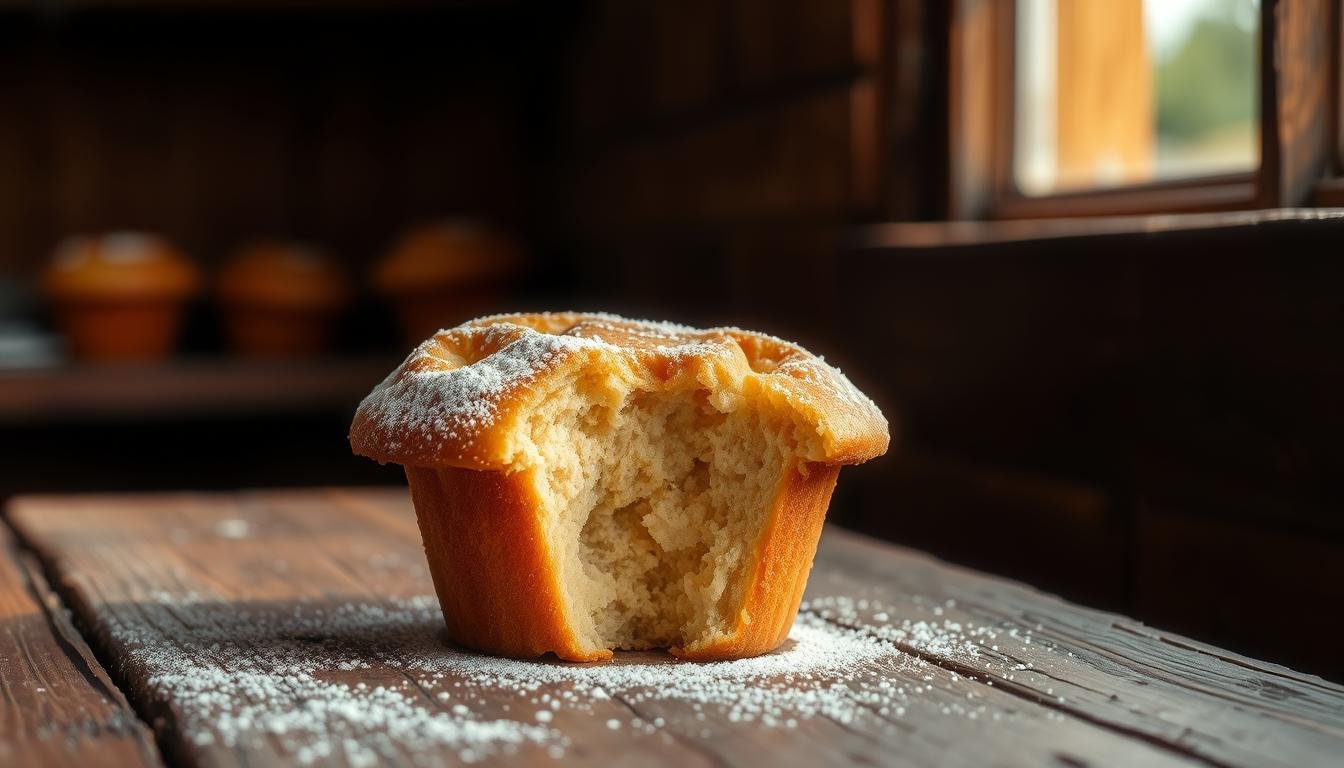
Who doesn’t love biting into a freshly baked, soft, and fluffy muffin? Bakery-style muffins are a treat that many of us enjoy. But, making them at home can be tricky.

The Secret to the Best Bakery-Style Muffins
To make the best bakery-style muffins, you need the right ingredients and techniques. With some practice, anyone can bake delicious muffins at home.
Key Takeaways
- Understand the importance of ingredient quality in muffin making.
- Learn the techniques for achieving the perfect muffin texture.
- Discover tips for customizing your muffin recipes.
- Explore the role of patience and temperature control in baking.
- Find out how to store muffins to maintain freshness.
What Makes Bakery-Style Muffins Special
Bakery-style muffins are loved for their domed tops and soft inside. These special qualities are hard to get at home. But, there are a few things that make them stand out.
The Signature Domed Top
A domed top is what makes bakery muffins look so good. It comes from using top-notch ingredients and special baking ways. Things like high-gluten flour and a hot oven help make it happen.
Texture Differences Between Homemade and Bakery Muffins
Bakery muffins are soft on the inside and crispy on the outside. Getting this texture at home is tough. It’s because of how pros mix and use ingredients.
The Science Behind That Perfect Crumb
The perfect crumb comes from the science of ingredients and mixing. Things like flour type, wet to dry ingredient ratio, and mixing method matter a lot. They all help get the right texture.
Knowing these things can help home bakers make muffins like the bakery ones.
Essential Ingredients for Perfect Muffins
Making great muffins starts with the right ingredients. These ingredients help with texture, flavor, and look. The better your ingredients, the better your muffins.
The Role of Fats: Butter vs. Oil
Choosing between butter and oil changes your muffins a lot. Butter makes them taste rich and soft. Oil keeps them moist. Many mix both for the best taste and feel.
Choosing the Right Flour
The flour you pick is key. All-purpose flour works well for many recipes. But, cake flour makes them tender, and whole wheat flour adds nutrition and taste.
Sweeteners and Their Impact on Flavor
Sweeteners do more than sweeten. They also help with texture and color. Granulated sugar is common. But, honey or maple syrup bring special tastes and moisture.
The Importance of Room Temperature Ingredients
Using ingredients at room temperature is crucial. It helps them mix well and bake right. This is especially true for eggs and butter. It makes the batter light and fluffy.
By paying attention to these ingredients, you can make your best muffin recipe even better. Try new things to find your favorite homemade muffins. You might discover new muffin recipe ideas.
Must-Have Equipment for Bakery-Quality Results
Want to make your muffins taste like they’re from a bakery? It’s not just about the recipe. The right tools are key too.
Muffin Pans and Liners
The best muffin starts with the right pan. Non-stick muffin pans make it easy to get them out and clean up. Use high-quality liners to keep them from sticking and to keep their shape.
Edit
Delete
Mixing Tools That Make a Difference
How you mix your batter matters a lot. A stand mixer or hand mixer mixes well without overdoing it. For a traditional touch, a whisk and rubber spatula are great for gently mixing.
Measuring Accuracy: Scales vs. Cups
Measuring ingredients right is key for good muffins. Many use cups, but a digital kitchen scale is better. It’s precise, especially for ingredients like flour that can be packed down.
The Secret to the Best Bakery-Style Muffins: Mixing Techniques
Mixing is key to making great bakery-style muffins. It’s not just about mixing ingredients. It’s about doing it right to keep the batter soft.
The Importance of the “Fold, Don’t Beat” Method
The “fold, don’t beat” method is very important. It keeps the batter soft. This way, the muffins won’t get tough.
To fold ingredients, use a rubber spatula. Gently lift and turn the mix until it’s just combined. This is especially important when mixing wet and dry ingredients.
Why Overmixing Is Your Worst Enemy
Overmixing can ruin your muffins. It makes them dense and tough. It also takes away their soft crumb and dome.
“The key to tender muffins is to mix the batter just until the ingredients are combined. Overmixing is the enemy of tenderness.”
The Proper Order of Ingredient Addition
How you add ingredients matters a lot. Start by whisking dry ingredients together. Then mix wet ingredients separately. Finally, gently fold the wet into the dry until just combined.
- Whisk dry ingredients (flour, sugar, etc.) together.
- Combine wet ingredients (eggs, milk, etc.) in a separate bowl.
- Gently fold wet ingredients into dry ingredients.
Learning these muffin baking secrets will help you make amazing bakery-style muffins. They will impress everyone.
Temperature Matters: Baking Science Explained
To make the perfect muffin, you need to understand oven temperature. It’s key for the rise, texture, and quality of your muffins.
The High-Temperature Start Method
Starting at a high temperature helps muffins rise fast. They get a nice dome shape. Then, you lower the heat.
How Oven Temperature Affects Rise and Texture
Oven temperature greatly affects muffin rise and texture. If it’s too low, muffins can be flat and dense.
| Oven Temperature | Effect on Muffins |
| Too Low | Flat, dense muffins |
| Too High | Overcooked exterior, undercooked interior |
| Optimal | Perfect rise, tender crumb |
Preheating Essentials for Perfect Muffins
Preheating your oven is very important. It helps muffins bake evenly and rise right.
Creating That Perfect Muffin Top
The secret to a stunning muffin top is in the details. To make bakery-style muffins, you need to know what makes the top look and taste great.
Batter Consistency Secrets
The batter’s consistency is key for a good muffin top. Aim for a batter that is thick yet still pourable. This helps the muffin rise and brown right.
To get this right, make sure your ingredients are room temperature. Also, avoid overmixing to keep the batter light and fluffy.
Fill Level Techniques for Maximum Rise
Filling your muffin tin right can change how your muffins look and rise. Fill the tin to the top or slightly overfill it for more rise. But, don’t fill too much to avoid spills.
Using an ice cream scoop helps you portion the batter evenly. This makes your muffins look great.
- Fill muffin tins to the top for a standard rise.
- Slightly overfill for a more dramatic rise, but be cautious of spillage.
- Use an ice cream scoop for consistent portioning.
Resting Your Batter: Myth or Magic?
Resting your batter can help. It lets flour soak up liquid and leavening agents start working. A short rest of 15-30 minutes can improve the texture and rise of your muffins.
But, don’t rest it too long. This can make the batter lose its rising power.

bakery-style muffins
Mastering batter consistency, fill levels, and resting times helps you make delicious muffins. Your muffin tops will look just like those from the bakery.
Base Recipe for Classic Bakery-Style Muffins
Starting with a good base is key to making perfect bakery-style muffins. Our recipe is a great start. It helps you make muffins with a nice dome and soft inside.
Ingredient List and Measurements
First, get these ingredients:
| Ingredient | Quantity |
| All-purpose flour | 2 1/4 cups |
| Granulated sugar | 1 cup |
| Baking powder | 2 teaspoons |
| Salt | 1/4 teaspoon |
| Large eggs | 2 |
| Milk | 1 cup |
| Melted unsalted butter | 1/2 cup |
| Vanilla extract | 1 teaspoon |
Step-by-Step Mixing and Baking Instructions
Here’s how to mix and bake your muffins:
- Preheat your oven to 375°F (190°C). Line a 12-cup muffin tin with liners.
- In a large bowl, whisk together dry ingredients: flour, sugar, baking powder, and salt.
- In a separate bowl, whisk together wet ingredients: eggs, milk, melted butter, and vanilla extract.
- Pour the wet ingredients into the dry ingredients and gently fold until just combined. Avoid overmixing.
- Divide the batter evenly among the muffin cups.
- Bake for 20-25 minutes or until muffins are golden brown.
Visual Cues for Perfect Doneness
A perfectly baked muffin has a golden-brown top and a tender, springy texture. Check by gently pressing the top; it should spring back. Also, a toothpick inserted into the center should come out clean or with a few moist crumbs.
By following this recipe and watching for the right signs, you’ll make bakery-style muffins that impress. For more muffin baking tips, try different flavors to find your favorite.
Flavor Variations to Try at Home
Make your homemade muffins exciting with new flavors. Just a few changes can make a basic muffin into a tasty treat. It’s perfect for any taste or event.
Fruit and Berry Additions
Fresh or dried fruits can make your muffins better. Try blueberries, raspberries, or apples for extra flavor and moisture. Blueberry muffins are a hit, and raspberry muffins are a bit tart.
Chocolate and Nut Combinations
Chocolate lovers will love adding cocoa powder or chocolate chips. Mixing chocolate with nuts like walnuts or pecans makes muffins better. Use dark chocolate for a strong taste.
Savory Muffin Options
Savory muffins are just as tasty as sweet ones. Use cheese, herbs, or sun-dried tomatoes for flavor. They’re great for breakfast or with soups and salads.
Seasonal Flavor Inspirations
Change your muffin flavors with the seasons. In fall, add cinnamon and apple cider. Winter muffins have nutmeg and ginger. Spring and summer are for lemon and berries.
Try these flavors to get better at muffin baking secrets. You’ll make homemade muffins that everyone will enjoy.
Troubleshooting Common Muffin Problems
Finding the perfect muffin can be tough. But knowing how to fix common problems can help a lot.
Fixing Dry or Dense Muffins
Dry or dense muffins happen when you mix too much. Mix wet and dry ingredients separately. Then, gently combine them.
Also, check your oven’s temperature. Use an oven thermometer for the best results.
Solutions for Muffins That Don’t Rise
Muffins that don’t rise might have old baking powder. Always check the baking powder’s expiration date.
Also, don’t overmix the batter. This can make the muffins fall.
Addressing Uneven Baking Issues
Uneven baking can happen if your oven isn’t ready. Make sure to preheat it well.
Also, don’t put too many muffins in the tin. Leave enough space for even baking.
Preventing Soggy or Sticky Muffin Bottoms
Soggy or sticky bottoms can be fixed. Let the muffins cool completely on a wire rack.

muffin baking techniques
- Check your ingredient ratios for balance.
- Use the right type of flour for your recipe.
- Don’t overbake; check muffins frequently towards the end of the baking time.
By fixing these common problems, you can make better muffin baking techniques. You’ll get bakery-style muffins at home.
Storage Tips for Maximum Freshness
To keep your muffins fresh, proper storage is key. Whether for a special occasion or a quick breakfast, keeping them fresh is important.
Short-Term Storage Methods
Muffins can be stored at room temperature or in the fridge. For room temperature, use an airtight container to keep moisture out. They last up to 3 days this way. For longer, store them in the fridge for up to 5 days.
Freezing and Reheating Techniques
Freezing is great for longer storage. Wrap each muffin in plastic or foil, then in a freezer-safe bag. To thaw, leave at room temperature or reheat in the microwave. Wrap in a damp paper towel and microwave for 20-30 seconds.
Reviving Day-Old Muffins
To revive stale muffins, wrap in a damp paper towel and microwave for 10-15 seconds. This trick can make them fresh again.
- Store muffins in airtight containers to maintain freshness.
- Freeze muffins for longer-term storage.
- Revive stale muffins with a quick microwave trick.
Follow these tips to enjoy your muffins at their best. Whether fresh or stored, they’ll be delicious.
Healthier Adaptations Without Sacrificing Taste
You don’t have to pick between yummy taste and good health for muffins. A few easy changes can make muffins healthier. They can still taste great and be good for you.
Reducing Sugar and Fat Successfully
One simple way to make muffins better is to use less sugar and fat. Applesauce or mashed banana can replace some oil. This adds moisture without extra fat. For less sugar, try honey or maple syrup. They are sweeter, so you need less.
Gluten-Free and Vegan Alternatives
For those who can’t eat gluten, try almond or coconut flour. But, you might need xanthan gum to help it stick together. Vegan muffins can be made with flaxseed or chia seeds instead of eggs. Use plant-based milk instead of regular milk.
Adding Nutritional Value with Whole Grains and Fruits
Adding whole grains like oats or whole wheat flour boosts fiber. Fruits like blueberries or raspberries add antioxidants. Here’s a simple guide to help you make healthier muffins:
| Ingredient | Healthier Alternative | Benefit |
| Refined Flour | Whole Wheat Flour | Increased Fiber |
| Oil | Applesauce | Less Fat, More Moisture |
| Sugar | Honey/Maple Syrup | Natural Sweetness |
By making these easy changes, you can enjoy the best muffin recipe. It’s both tasty and healthy. It’s perfect for your muffin recipe ideas for a healthier life.
Conclusion
You now know how to make bakery-style muffins at home. The secret is using good ingredients, mixing right, and baking carefully. Follow these muffin baking tips for a perfect muffin.
Remember, use room temperature ingredients and the right flour. Don’t overmix the batter. Also, learn to “fold, don’t beat” and understand the baking science. These steps will make your muffins as good as bakery ones.
It’s time to try these tips. Make different flavors like blueberry or chocolate. Enjoy making treats for yourself and others. Now you know the secret to great muffins. Start baking!
FAQ
What is the secret to achieving a domed top on muffins like those found in bakeries?
To get a domed top, mix the batter right. Don’t overmix. Bake at a high temperature to help them rise fast.
Can I use oil instead of butter in my muffin recipe, and how will it affect the flavor and texture?
Yes, you can use oil instead of butter. Oil makes muffins moist but lacks butter’s rich flavor. Choose based on flavor and texture you want.
Why is it important to use room temperature ingredients when baking muffins?
Room temperature ingredients mix smoothly. This is key for the right texture and structure in muffins.
How can I prevent my muffins from becoming too dense or dry?
Avoid overmixing and don’t overbake. Use the right wet to dry ingredient ratio. Don’t skip leavening agents.
What’s the best way to store muffins to keep them fresh for a longer period?
Store in an airtight container at room temperature for short-term. Freeze for longer storage. Reheat when needed.
Can I make healthier muffin adaptations without sacrificing taste, such as reducing sugar or using gluten-free flours?
Yes, you can make healthier muffins. Reduce sugar or use honey or maple syrup. For gluten-free, use a blend of flours. Adjust liquid and add xanthan gum for texture.
How do I achieve the perfect crumb in my muffins, similar to bakery-style muffins?
For the perfect crumb, use the right flour and don’t overmix. Control baking temperature and time. Use the “fold, don’t beat” technique.
Why do my muffins not rise as expected, and how can I fix this issue?
Muffins may not rise if leavening agents are old or batter is overmixed. Use fresh baking powder or soda. Mix wet and dry ingredients separately and gently fold.